Lapis Lazuli: Awakening the Third Eye and Speaking Your Truth
Table of Contents
- The Wisdom Stone: An Introduction to Lapis Lazuli
- Geological Formation: The Science of the Starry Night
- Historical Significance: From Egyptian Pharaohs to Renaissance Masters
- Chakra Activation: The Third Eye and Throat Connection
- Metaphysical Benefits: Truth, Awareness, and Psychic Defense
- How to Incorporate Lapis Lazuli Into Your Daily Life
- Cleansing and Charging Your Lapis Lazuli
- Frequently Asked Questions
The Wisdom Stone: An Introduction to Lapis Lazuli
In the vast and mesmerizing realm of Healing Crystals, few stones command the reverence and historical prestige of Lapis Lazuli. Renowned for its deep, celestial blue hue flecked with golden shimmer, this gemstone has been sought after for millennia by mystics, royalty, and healers alike. Beyond its breathtaking aesthetic appeal, Lapis Lazuli is celebrated as the ultimate stone of wisdom, truth, and inner vision. If you are seeking to elevate your spiritual awareness and communicate your most authentic self, Lapis Lazuli is an indispensable addition to your collection.
Geological Formation: The Science of the Starry Night
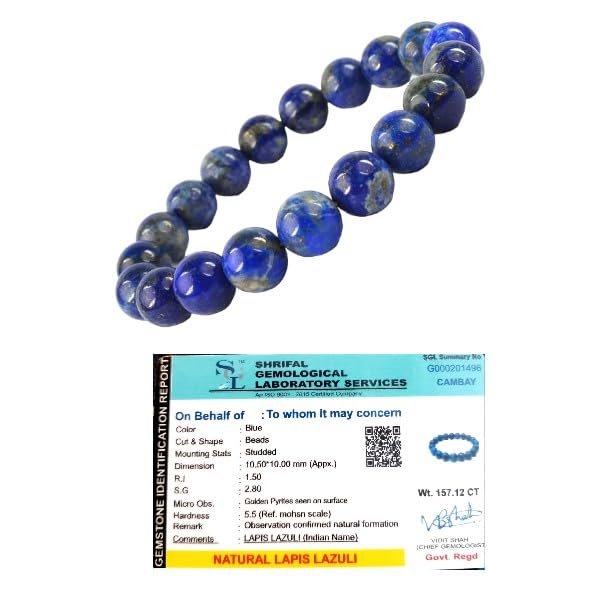
Unlike most gemstones, which are single minerals, Lapis Lazuli is actually a complex rock composed of multiple minerals. The intense blue color comes from the mineral lazurite, while the striking white veining is caused by calcite. The beautiful, star-like golden specks that give Lapis its signature “night sky” appearance are inclusions of pyrite. According to the Gemological Institute of America (GIA), this unique combination forms deep within the earth through contact metamorphism, typically in limestone or marble deposits. Sitting at a 5 to 5.5 on the Mohs hardness scale, it is a relatively soft stone, which requires mindful care but rewards the keeper with profound energetic resonance.
Historical Significance: From Egyptian Pharaohs to Renaissance Masters
The legacy of Lapis Lazuli stretches back to the dawn of civilization. In ancient Egypt, it was believed to be a stone from the gods, frequently used in the burial masks of Pharaohs—most notably King Tutankhamun—to guide the soul into the afterlife. The Egyptians pulverized it to create eye shadow for royalty and high priestesses, believing it enhanced spiritual sight. Centuries later, Renaissance artists ground raw Lapis Lazuli into an incredibly expensive pigment called ultramarine, reserving it only for painting the robes of divine figures like the Virgin Mary. This rich historical tapestry proves that Lapis Lazuli has always been associated with the divine and the extraordinary.
Chakra Activation: The Third Eye and Throat Connection
Lapis Lazuli is a dual-action healer, intricately tied to two highly critical energy centers: the Third Eye (Ajna) and the Throat Chakra (Vishuddha).
- The Third Eye Chakra: Located in the center of the forehead, the Third Eye is the seat of intuition, clairvoyance, and intellectual depth. When blocked, you may experience brain fog, rigid thinking, and a lack of spiritual purpose. Lapis Lazuli acts as an energetic key, unlocking this chakra to expand your mental bandwidth, stimulate visionary awareness, and heighten your intuitive senses.
- The Throat Chakra: Communication is the cornerstone of human connection. When the Throat Chakra is imbalanced, we struggle to express our true feelings, swallow our words, or speak aggressively out of fear. Lapis Lazuli harmonizes this center, encouraging radical honesty, articulate expression, and the confidence to speak your unvarnished truth without hesitation.
Metaphysical Benefits: Truth, Awareness, and Psychic Defense
The energetic footprint of Lapis Lazuli is vast. It is considered a stone of self-mastery. By wearing a piece of Lapis jewelry, such as the Natural Lapis Lazuli Bracelet, you create a continuous loop of supportive energy around your aura. It actively repels psychic attacks, acting as a shield that deflects negative intent back to its source. Furthermore, it quickly releases stress, allowing for deep, uninterrupted peace. For individuals battling insomnia or migraines, the cooling, celestial frequency of Lapis Lazuli can provide significant energetic relief.
How to Incorporate Lapis Lazuli Into Your Daily Life
To harness the full potential of this magnificent Gemstone, integration is key. Here are highly effective ways to use Lapis Lazuli daily:
- Meditation and Visualization: Lie down and place a tumbled Lapis Lazuli stone directly on your Third Eye. Close your eyes and visualize a deep indigo light washing over your brain, dissolving anxiety and replacing it with crystal-clear insight.
- Professional Communication: Wear a Lapis Lazuli bracelet on your dominant hand during important meetings, public speaking engagements, or negotiations. It will help your words flow with authority, clarity, and undeniable persuasion.
- Feng Shui Placement: Place a piece of Lapis in the wealth or career sector of your home (the north or southeast corners) to stimulate professional growth and intellectual achievement.
Ready to awaken your inner wisdom? Shop our exclusive collection of authentic, lab-certified Lapis Lazuli crystals today.
Cleansing and Charging Your Lapis Lazuli
Because Lapis Lazuli contains calcite and pyrite, it is sensitive to water and harsh chemicals. To cleanse your stone safely without damaging its luster, avoid saltwater completely. Instead, smudge your Lapis with white sage or palo santo smoke. To recharge its celestial energy, place it under the light of a starry night sky or rest it on a bed of raw Clear Quartz or a Selenite charging plate.
Frequently Asked Questions
Can I sleep with Lapis Lazuli under my pillow?
Yes, Lapis Lazuli is fantastic for dream work. Placing it under your pillow can help combat insomnia and encourage vivid, highly spiritual, or lucid dreams. It also assists in remembering your dreams upon waking.
Is Lapis Lazuli safe to put in drinking water for crystal elixirs?
No. Lapis Lazuli contains pyrite, which includes iron and sulfur. Submerging it in water can cause it to release toxic elements and rust the stone. If you want to make a Lapis elixir, use the indirect method by placing the stone on the outside of a glass pitcher.
